BTCPay Server asks operators to shut down installations after reports of wallet drains
The project received reports of unauthorized withdrawals from wallets connected to servers. It asked operators to shut down installations while it investigates.
 By Redacción Crypto InformaReading time: 3 min

BTCPay Server asked operators on November 1 to shut down their installations while it investigates reports of wallets being drained by unauthorized attackers. The project, which provides open-source software for receiving Bitcoin payments, issued its alert at 22:25 UTC, or 19:25 in Buenos Aires.
The notice refers to hot wallets: wallets whose transaction-signing keys are available on a connected server. The official instruction was to run ./btcpay-down.sh and keep the installation shut down until the investigation is complete.
An urgent request with the scope still unclear
BTCPay Server did not provide a loss amount, a count of affected installations or a list of vulnerable versions or configurations in that statement. Nor did it announce a specific patch for this incident. The shutdown warning was not restricted to a particular version.
That limits the conclusions that can be drawn: the team has received reports and the project itself has indicated a precautionary measure, but there is still no public explanation of the cause. The incident cannot be attributed to a specific flaw, a leaked key or an identified attacker.
The operational distinction matters for merchants and organizations accepting Bitcoin. BTCPay Server is software each operator can host independently; the request to stop an instance, meaning a running installation, must be carried out on each server. The notice does not amount to a centralized shutdown of the entire platform.
Why it matters where keys are stored
Official documentation explains that the hot-wallet feature allows automatic signing with the seed stored on the server. That seed is the secret from which wallet keys are derived. This enables the system to send funds without using an external signing device.
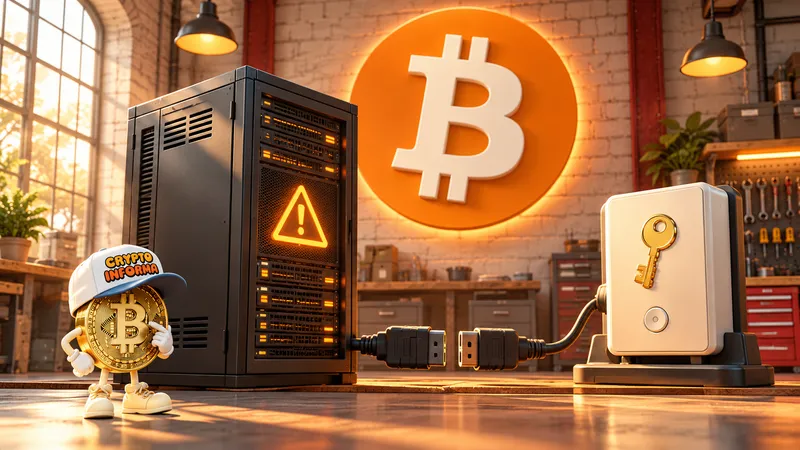
BTCPay Server also supports other methods: signing with a hardware wallet or exchanging partially signed transactions, known as PSBTs. In the latter process, the transaction is prepared, exported for review and signing in another wallet, and then imported to complete its submission.
These are different custody and authorization configurations, not confirmation of which mechanism was compromised in this case. A merchant’s use of the software does not, by itself, establish that it keeps its keys on the server or has suffered a loss.
The documentation’s warning about hot-wallet risks helps explain the urgency of the request. When the signing secret resides on a connected machine, protecting it is part of securing the funds, alongside protecting the payment website.
An earlier update is not a confirmed solution
The project had released version 2.4.7 on October 29. Its official release notes list 85 security findings addressed: one critical, 13 high, 52 medium and 19 low, using the report’s original severity ratings. The update recommendation particularly highlighted servers shared by multiple merchants.
That release included changes to permissions, authentication and payment processing, among other areas. However, the November 1 alert did not link the drain reports to any of those findings. Nor did it state that having version 2.4.7 installed meant operators could disregard the shutdown instruction.
The outstanding information is crucial to resuming operations: the incident’s cause, affected configurations and remediation steps. At the time of writing, the statement consulted kept the investigation open and offered no restart date. For operators, the public instruction in that alert remained to shut down the installation.
Tags
This is information, not financial advice. Before deciding, compare sources and consider your own situation.