USDT or USDC: what are the differences and which is safer?
Compare USDT and USDC by issuer, reserves, transparency, redemption, networks and risk to understand what safety means in practice.
 By Redacción Crypto InformaReading time: 4 min
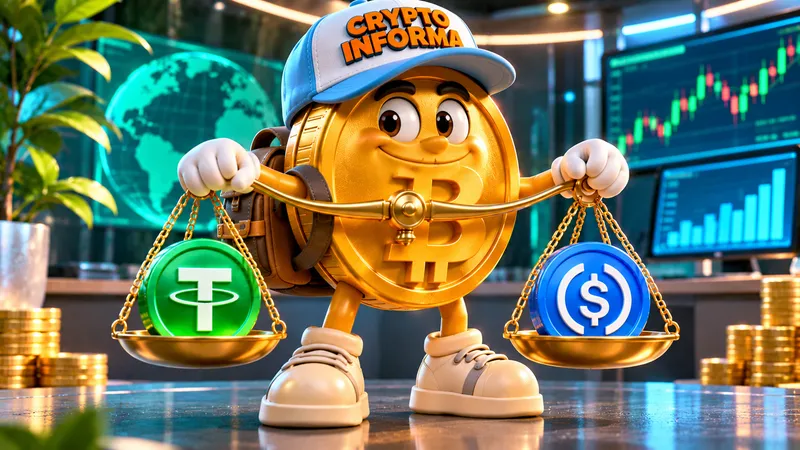
USDT and USDC both aim to maintain a reference value of one dollar per token, but have different issuers, reserves and redemption terms. Both carry risks, and declaring one universally safer requires specifying the criteria. Transparency, networks and custody matter as much as the price.
USDT or USDC: what they share and how they differ
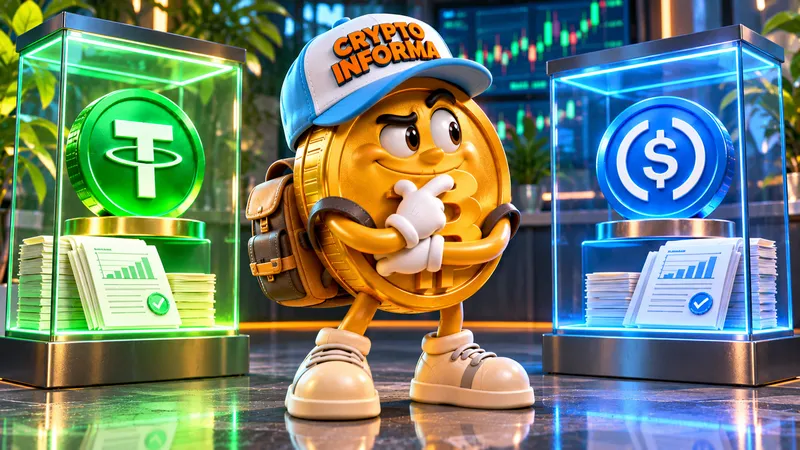
USDT and USDC are stablecoins linked to the U.S. dollar. Both aim to hold a value close to 1 USD per token through reserves, issuance and redemption mechanisms, but they are distinct and are not interchangeable on every network. Entities in the Tether group issue USDT. Circle issues USDC under the structures applicable in each jurisdiction. Each issuer has its own contractual terms, disclosures and risk management.
Comparing USDT and USDC involves more than checking which is closer to one dollar on a screen. The reserve assets, published documents, practical access to redemption, operating history, freeze risks and the intermediary holding the assets all matter. For an overview of these instruments, see the stablecoin guide.
Reserves: reported assets and reporting frequency
Tether publishes figures on tokens in circulation and quarterly reserve reports. Its September 30, 2026 report described a mix of liquid instruments and other investments, including precious metals, bitcoin, secured loans and other assets. The mix matters because liquidity and volatility vary by asset. The report covers a specific date and does not guarantee that the holdings will stay the same.
Circle publishes weekly information on USDC reserves and issuance and redemption flows, along with monthly third-party attestations, according to its official disclosures. It describes reserves of cash and highly liquid instruments, with short-term investments and custody arrangements. More frequent reporting can improve visibility without guaranteeing safety. In either case, review the original documents and their dates.
Who can redeem directly for dollars?
Both issuers describe a dollar peg, but direct redemption has conditions. Tether requires verified customers and sets thresholds, fees and contractual requirements. Circle distinguishes Circle Mint account holders from people who hold USDC in another wallet. Its October 2026 terms provide direct redemption for eligible users with the appropriate account. Holding tokens on a platform does not automatically qualify someone for direct redemption with the issuer.
People buying or selling in pesos in Argentina generally use an intermediary and a local exchange rate. The final amount depends on liquidity, fees and service terms, beyond any contractual obligations an issuer may owe eligible customers. The crypto dollar exchange rate is a market reference, not a price guaranteed by every participant.
Which is safer? Four areas to compare
Safety has at least four layers. Issuer: reserve quality and availability, obligations and operational capacity. Contract and network: potential failures, incorrect addresses or technical restrictions. Custody: risks tied to the exchange, wallet or other party holding the tokens. Market: the possibility of trading below the peg during stress. A token may look stronger in one area and less suitable for a specific transaction in another.
Claims that “USDT is safer” or “USDC is safer” need clear criteria. Circle and Tether reports allow readers to compare disclosure and reserve composition, but offer no proof that risk will disappear. Both stablecoins may have freezing powers under their contracts or compliance policies. A dollar peg also does not automatically give them the protections of bank deposits.
Available networks and transfer errors
USDT and USDC can exist across multiple networks, but availability depends on native issuance, any bridged versions and the receiving service. Native USDC can differ from a wrapped version issued through a bridge. Two tokens with the same ticker on a screen may have different contracts and risks. Check which network the destination supports, whether the issuer recognizes the token and what fees apply.
A transfer error can cause an irreversible loss. Addresses alone cannot establish compatibility because some networks share similar formats. Verify the asset and network, compare the contract where applicable and confirm the total before signing. The local USDT guide explains how people buy USDT in Argentina and the risks involved.
How to interpret a temporary break from the dollar peg
A price of US$0.995 or US$1.005 per token can reflect liquidity, trader urgency, costs and perceived risk in a given market. One observation does not establish insolvency or guarantee a quick return to one dollar. Selling 500 tokens at US$0.99 yields the equivalent of US$495 before fees, a difference of US$5. In Argentine pesos, the transaction’s exchange rate also matters.
Comparing USDT and USDC requires up-to-date documents with clear dates and terms relevant to the user. A single day’s chart cannot explain stability on its own. The redemption mechanism, reserves, legal structure and actual location of the funds matter. None of these can guarantee that a token will always hold its peg.
Frequently asked questions
Are USDT and USDC always worth exactly one dollar?
Both target parity but can trade at different prices in secondary markets.
Which reports reserves more frequently?
Circle publishes weekly details and monthly attestations. Tether publishes circulation data and quarterly reports.
Can you redeem them directly for dollars?
Only if you meet the issuer’s contractual requirements and have an account that supports redemption.
Do USDC and USDT run on the same networks?
Not always. Availability varies by token, issuer, network and receiving service.
Is there a risk-free stablecoin?
No. They all carry operational, counterparty and market risks, and in some cases smart contract risks.
Tags
This is information, not financial advice. Before deciding, compare sources and consider your own situation.