Coinone data breach: Exchange warns of fraudulent calls and emails
The South Korean exchange confirmed that its support provider’s records were accessed. The data exposed varies by customer, and the number affected is still under investigation.
 By Redacción Crypto InformaReading time: 3 min
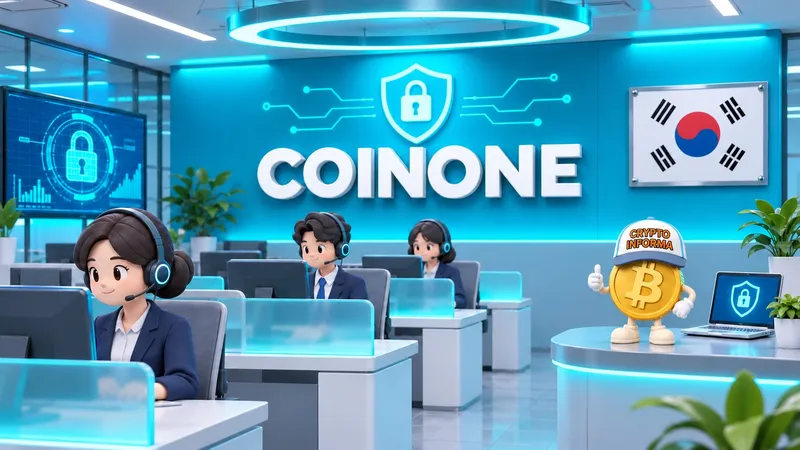
The Coinone data breach prompted the South Korean exchange to warn customers on November 15. The platform said an attacker accessed servers operated by MetaM, its customer support provider, and viewed or extracted records of support conversations. Coinone warned that the data could be used to impersonate the company in calls, emails and messages.
The notice puts the unauthorized access at around 4:00 on November 12, South Korean time. Coinone said it received notice from the provider at about 9:20 that day. Sunday’s public statement detailed the categories of information involved and measures to prevent fraud using information shared during phone or chat support.
Which records were exposed
The extent of the Coinone data breach varies by customer. Potentially exposed data includes names, phone numbers, emails, dates of birth, bank account numbers and passwords. It also includes identification numbers, home addresses, wallet addresses and transaction identifiers. A category appears in the notice if it could have been exposed, depending on what each person shared.
The company said customers who had never contacted its support center were unaffected by this breach. For those who did contact it, Coinone is preparing individual notices or a tool to check which records are involved. The initial statement did not disclose how many customers were affected, and the investigation is continuing.
Coinone said its accounts, trading system and wallets operate separately from the contractor’s servers. At the time of the notice, it said it had found no signs of direct access to those systems. It also said it increased monitoring of unusual logins and transactions, blocked access routes and moved outsourced support to email. That separation helps explain what an attacker can attempt with support data and which systems are still being checked.
How the information can be used to impersonate support
The risk Coinone highlighted stems from the support records. Someone who obtained the subject of an inquiry or part of a conversation can use those details to make a fraudulent contact seem credible. The exchange said its agents do not ask for passwords, one-time codes or verification codes by phone, message or email. They also do not ask users to withdraw assets or change a withdrawal address through those channels.
Coinone asked people who shared a password with the support center to change it and update the same password on other sites where it was reused. Two-step authentication requires a second check to access an account. Messages seeking that second code are one reason a contact may be risky even if the sender knows genuine customer details.
The Chainalysis incident involving customer data shows why it is important to distinguish which systems and records were exposed. The guide to USDT and scams in Argentina explains how to verify the channels used to handle digital assets.
The company reported the case to South Korea’s cybersecurity, data protection and financial oversight authorities. In the investigation into the Coinone data breach, it remains unclear how many customers were affected and when they will be able to check which information from their inquiries was involved.
Tags
This is information, not financial advice. Before deciding, compare sources and consider your own situation.