Bithumb expands data breach disclosure and warns of impersonation attempts
The exchange confirmed that the October incident exposed more personal information. The review includes passports, bank accounts and wallet addresses.
 By Redacción Crypto InformaReading time: 3 min
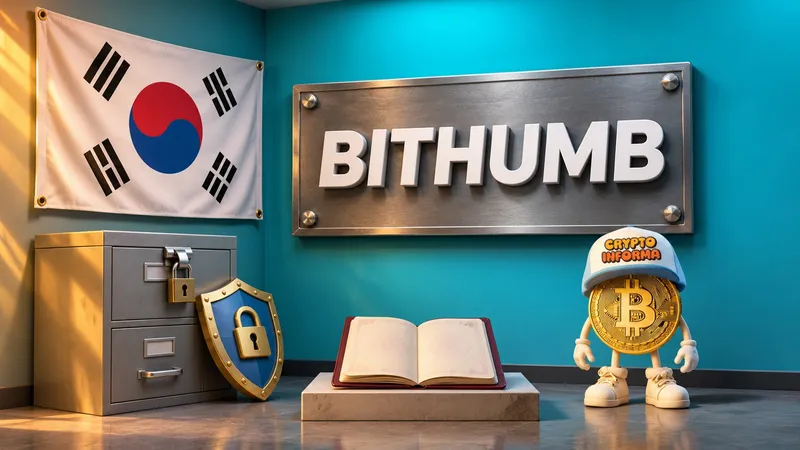
Bithumb has expanded its disclosure of the personal data breach it reported in October. On November 25, the South Korean exchange published an update covering more people and categories of exposed information, including passport numbers, bank accounts, transaction histories and wallet addresses.
The company clarified that the new findings relate to the same incident, which occurred in an internal work system. It did not report a new attack on its trading engine or confirm a direct intrusion into its customer database. The distinction matters: a document leak can also facilitate subsequent fraud, even if assets remain in accounts.
What changed in the scope of the incident
The notice identifies customers, suppliers' employees and current or former staff as affected. It lists contact, identification and financial activity data, but warns that not every field was leaked for every person. Each user should check the individual information the company provides.
Bithumb expanded its disclosure after reviewing unauthorized access to Daou Office, its internal mobile collaboration system. The platform says the intruder gained access between October 12 and October 27 and extracted files and personal information. The incident was initially disclosed on October 29.
Today's development is the result of that review. The statement does not establish an updated total of affected people or how long the stolen files might circulate. A public wallet address should not be equated with a private key, either: knowing the former allows transactions to be identified; possessing the latter can grant control over funds.
Why the exposed information can fuel scams
The subsequent risk is impersonation: messages that imitate the exchange to obtain credentials, codes or transfers. A real detail about the recipient can make a fake contact more credible. The existence of that risk does not prove that every fraudulent message stems from this breach.
Bithumb also maintains a warning about emails, SMS messages and sites using its identity. It asks users to go directly to the official app or website and avoid unexpected links. It clarifies that it does not request passwords or codes by phone or messaging, or prompt users to enter credentials through links.
The guide to cold and hot wallets helps distinguish the risks of a custodial account from those of a personal wallet. Keeping assets outside an exchange does not make exposure of personal documents or an attempted scam harmless, either.
What response the platform announced
Bithumb expanded its disclosure and says it blocked access, suspended the compromised system and fixed the vulnerability. It also reports enhanced monitoring of logins and withdrawals, additional identity checks and a support channel. Compensation will be assessed according to the facts and substantiated damages; no uniform payment for each person has been announced.
For users in Argentina and Latin America, the practical warning extends beyond this platform: a supposed protection procedure does not justify handing over a recovery phrase. The risks of centralized exchanges and DEXs also depend on who manages the keys and what information each service retains.
The next points to watch are individual notifications and the investigation's final scope. For now, what has been confirmed is a broader exposure of data in an internal system and measures to reduce secondary harm, with differences in the fields compromised for each affected person.
Tags
This is information, not financial advice. Before deciding, compare sources and consider your own situation.