Ant International connects tokenized deposits and funds with DBS and Franklin Templeton
WhaleRTP's new protocol completed a pilot linking bank deposits and money market funds. The initiative aims to settle both legs of a transaction together.
 By Redacción Crypto InformaReading time: 3 min
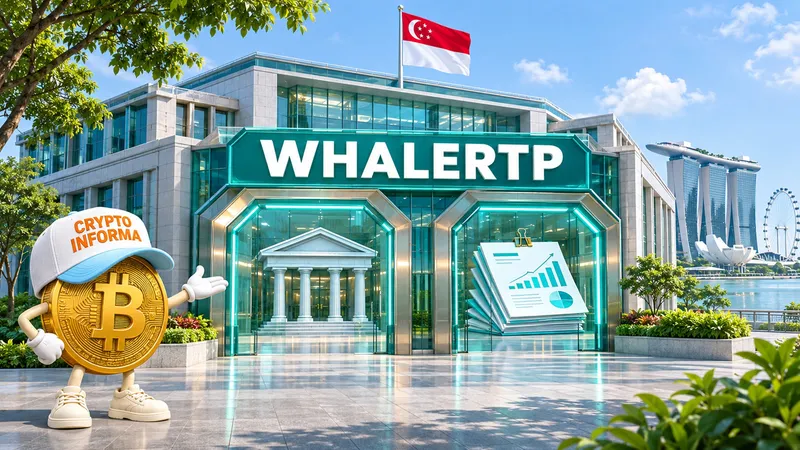
Ant International announced a protocol on November 19 to connect tokenized bank deposits with tokenized money market funds. The company completed pilot transactions with DBS and Franklin Templeton on its WhaleRTP platform. The development addresses a specific corporate treasury need: moving liquidity between money and financial assets through coordinated settlement.
The Whale Orchestration Protocol enables delivery-versus-payment transactions, known by the acronym DvP. Under this mechanism, asset delivery and payment are linked. The aim is to prevent one leg from completing while the other remains pending, a significant risk when a transaction crosses different infrastructures.
What the pilot connected
DBS integrated its Treasury Tokens, which represent tokenized bank deposits, and Franklin Templeton provided its tokenized money market fund solution. Tokenization represents rights to money or assets through digital records. In this case, the pilot seeks to allow those records to interact within the settlement process.
Ant International's announcement describes atomic settlement: both legs of the transaction complete together. The company says this connection can reduce delays when moving between deposits and fund shares, and facilitate liquidity management for a global operation that needs to function outside traditional banking hours.
The information released does not specify the value or number of pilot transactions. It also does not provide commercial pricing or a country-by-country availability schedule. Those details are needed to assess its scale; the announced result establishes a tested integration between the identified participants.
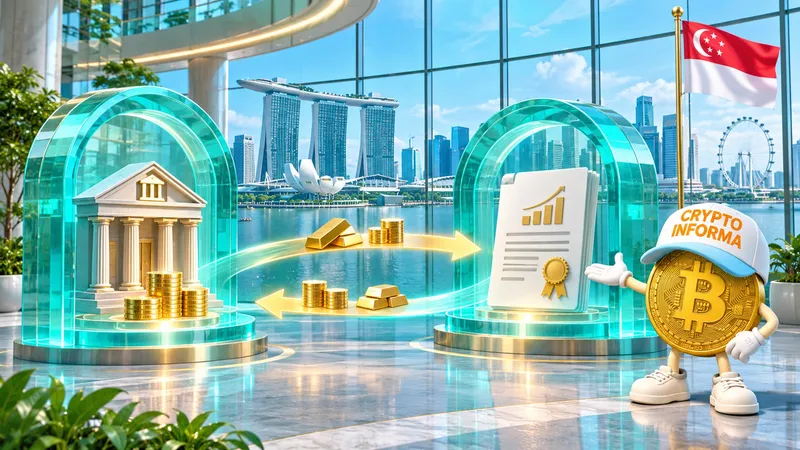
BLOOM provides a framework for connecting systems
The protocol was developed under BLOOM, the public-private initiative of the Monetary Authority of Singapore, or MAS. On November 19, the regulator published the framework and a working guide on new settlement capabilities. Its objectives include interoperability of digital money and its use in payments and financial transactions.
The guide organizes the analysis into functions, structure, connectivity and controls. These dimensions allow participants to examine what activity each party performs, which obligations are transferred, how systems connect and which rules govern a transaction. The framework seeks to provide a shared language for projects involving different institutions and jurisdictions.
MAS includes acceptance of digital money across markets and programmable controls, such as identity verification and sanctions screening, among its work areas. For a treasury, the technical ability to transfer a token must be accompanied by agreements on each entity's responsibilities and on when a transaction is considered settled.
From digital assets to everyday treasury operations
The announcement builds on an approach already visible in Uber's tokenized treasury pilot with HSBC and Franklin Templeton. The operational question is how to connect the money a company uses to pay with the assets in which it holds part of its liquidity, including outside regular hours.
Another institutional application is the World Bank's assessment of USDC disbursements with Citi and Circle. Both developments show that corporate use of digital assets encompasses payment distribution as well as cash management across different infrastructures.
For Latin American companies with international operations, the development offers a reference point for the evolution of wholesale systems. The statement does not announce local access or a regional implementation. The addition of new participants and publication of operating conditions will help establish how the pilot could become a service with broader reach.
Tags
This is information, not financial advice. Before deciding, compare sources and consider your own situation.