1Password confirms account data breach and maintains that vaults are safe
The company reported access to internal systems through a GitHub account. Names and emails were copied, but encrypted vault contents were not.
 By Redacción Crypto InformaReading time: 3 min
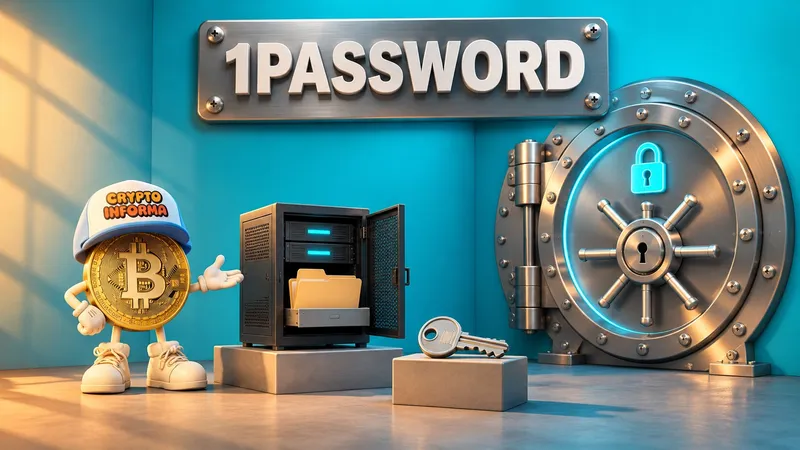
1Password confirmed on November 25 that an intrusion into its internal systems allowed administrative information from some of its customers to be copied. The company maintains that the attacker did not access the contents of vaults, where passwords and other secrets are stored, or the keys that protect them.
The disclosure also matters to crypto users who use password managers. The company integrated its service with Phantom to store wallet information, but a leak of names or email addresses does not demonstrate that recovery phrases were stolen. The confirmed scope must be distinguished from that scenario.
How access occurred and what data was copied
The investigation began on November 19, when signs emerged that an employee's corporate GitHub account had been compromised. The intruder used it to access source code and deploy malicious code to internal services. The new development is the public disclosure of the incident and its consequences.
The extracted records include names, email addresses, account identifiers, creation and last sign-in times, public keys and other non-secret metadata. Authentication parameters and tokens present in certain invitation, provisioning and account recovery links were also copied.
1Password explains that those tokens do not allow access on their own: another authentication step is required. A small number of users going through those processes received a specific notification. The notice does not give the total number of customers whose administrative records were copied or explain how initial access to GitHub was obtained.
Encrypted vaults and internal systems are different layers
The company says vault items, protection keys, recovery keys, apps and browser extensions were not affected. It also states that it does not store the user's account password or Secret Key and found no internal evidence of account takeovers.
The intruder also obtained code from private repositories and access to the software integration and deployment system, known as CI/CD. Infrastructure credentials may be present there. The company says it rotated or revoked potentially exposed credentials and restored clean versions of the affected services.
The distinction between account data and access secrets is central. The guide to cold and hot wallets helps identify where keys are kept and who can use them. A public address, an email address and a recovery phrase serve different functions.
What measures were announced and what users should watch for
1Password disabled the compromised GitHub account, revoked the stolen token and strengthened internal controls. As a precaution, it expanded invitation and recovery codes from six numeric digits to ten alphanumeric characters. It brought in external specialists to review containment and remediation.
The company's general guidance is that customers do not need to change their accounts because of this incident. It does warn about phishing: unexpected emails appearing to come from 1Password, including invitations or recovery requests the person did not initiate. The investigation continues and the notice may be updated.
For readers in Argentina and Latin America, a supposed support message does not justify handing over a private key or recovery phrase. The recent expansion of the Bithumb incident disclosure illustrates another case where exposure of personal information heightened concerns about impersonation.
What has been confirmed so far is the theft of administrative records and internal code, with vaults outside the scope reported by the company. The total number affected and the precise origin of the access remain unknown, without that uncertainty supporting claims that passwords or crypto funds were leaked.
Tags
This is information, not financial advice. Before deciding, compare sources and consider your own situation.